
Understanding the psychological effects of gambling A deep dive into the mind's traps
The psychological effects of gambling begin with its allure, which captivates individuals through a mix of excitement and the promise of quick rewards. The thrill of winning, often amplified by the ambient atmosphere of casinos or online platforms, activates the brain’s reward system. This immediate gratification can overshadow rational thinking, leading individuals to chase wins even when the odds are against them. Many enthusiasts might find themselves drawn to sites like fun88, where the excitement can escalate quickly.
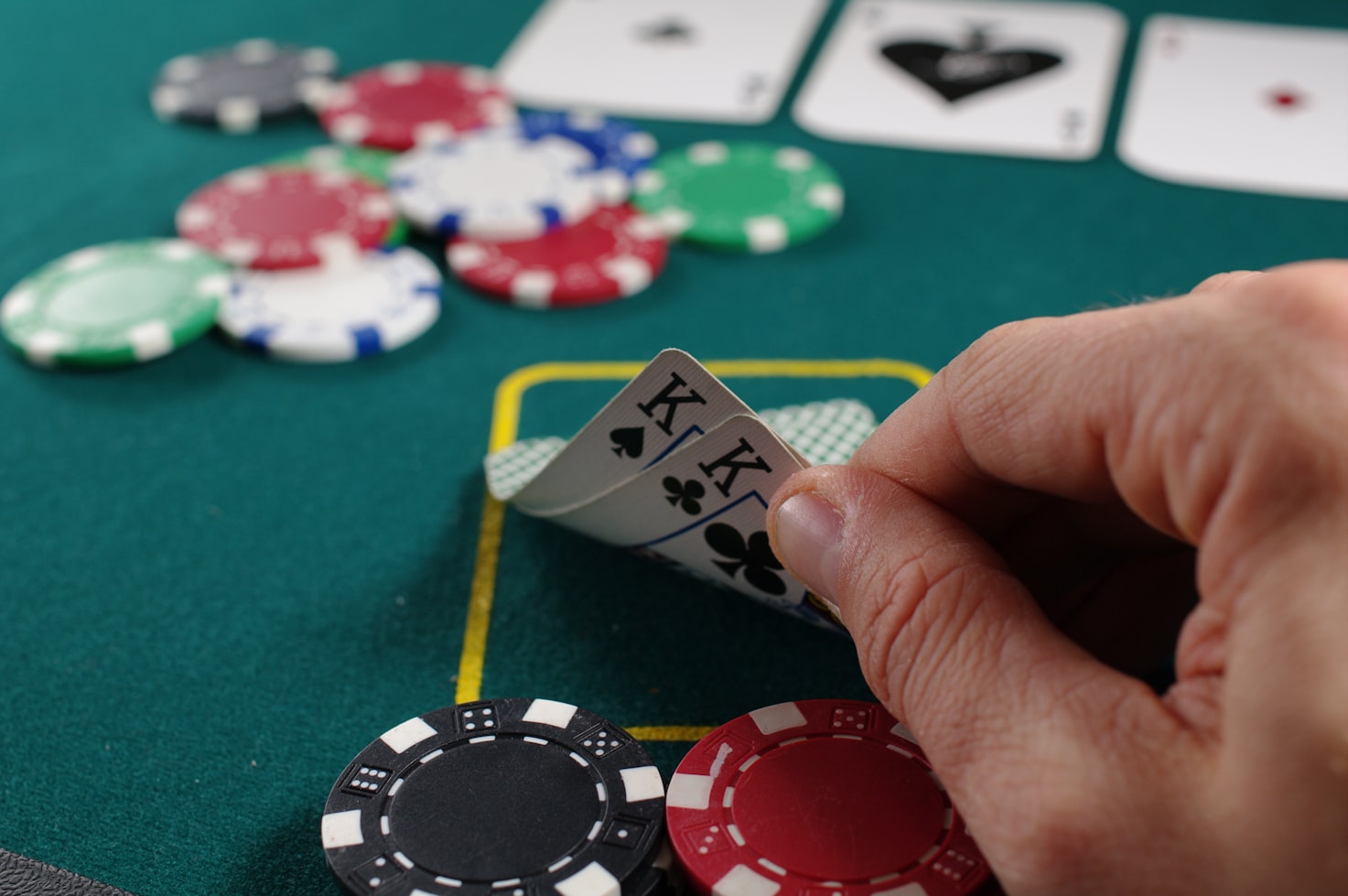
Moreover, the social aspect of gambling adds another layer to its appeal. Many people view it as a recreational activity, often enjoying it with friends or in a social setting. This can create a sense of community, making it even more enticing. However, this social reinforcement can inadvertently encourage compulsive behavior, as individuals may feel pressured to continue playing, irrespective of their losses.
Compulsive gambling is often driven by cognitive distortions and various psychological mechanisms. For many, the belief in luck or skill can lead to an exaggerated sense of control over the outcomes. This illusion can result in continued gambling despite repeated losses, as individuals convince themselves that a win is just around the corner. Such cognitive biases are deeply rooted in human psychology and can be difficult to break.
Additionally, the concept of “loss aversion” plays a significant role. Research shows that the pain of losing is often felt more intensely than the joy of winning. As a result, gamblers may feel compelled to continue playing to recover lost money, leading to a cycle of chasing losses. This behavior is further complicated by the emotional highs associated with occasional wins, which can reinforce the urge to gamble, creating a vicious cycle.
The environment in which gambling occurs significantly influences psychological effects. Casinos, for instance, are meticulously designed to enhance the gambling experience, with bright lights, engaging sounds, and a lack of clocks to prevent time awareness. This sensory overload can create a euphoric state, making it challenging for individuals to leave or recognize the impact of their gambling behavior.
Online gambling platforms further amplify these effects by offering constant access and instant gratification. With the convenience of mobile devices, individuals can gamble anytime, anywhere, blurring the line between casual play and compulsive behavior. This accessibility, combined with targeted marketing strategies, can trap individuals in a cycle of gambling, often without them realizing the extent of their engagement.
The psychological consequences of gambling addiction can be severe and multifaceted. Individuals may experience heightened anxiety, depression, and feelings of isolation as their gambling behavior spirals out of control. Relationships often suffer, leading to social withdrawal and a lack of support systems. These negative psychological effects can further perpetuate the cycle of gambling, creating a devastating feedback loop.
In extreme cases, gambling addiction can lead to significant financial hardship, contributing to stress and mental health decline. Many individuals may find themselves in debt or facing legal issues, which can exacerbate feelings of shame and hopelessness. Seeking help becomes a critical step, as acknowledging the psychological effects of gambling is essential for recovery and reclaiming control over one’s life.

Understanding the psychological effects of gambling is crucial for those affected and their loved ones. Numerous resources and support systems exist to help individuals navigate their challenges. Professional counseling, support groups, and helplines provide avenues for those struggling with gambling addiction to seek help and find community support.
Education about the psychological mechanisms at play can empower individuals to make informed decisions about their gambling habits. By recognizing the traps laid by their own minds, individuals can develop healthier coping strategies and foster a more balanced approach to gambling, if they choose to engage with it at all. It’s vital to prioritize mental health and seek assistance when needed, paving the way for recovery and a more positive future.
 บ้าน
บ้าน บัญชีผู้ใช้
 ระบบแต้ม
 ทั่วไป
 คาสิโนสด
 โป๊กเกอร์
 สล็อต
สล็อต กีฬา
กีฬา ล็อตโต้









 ลงทะเบียน
 เข้าสู่ระบบ